Original unit practice
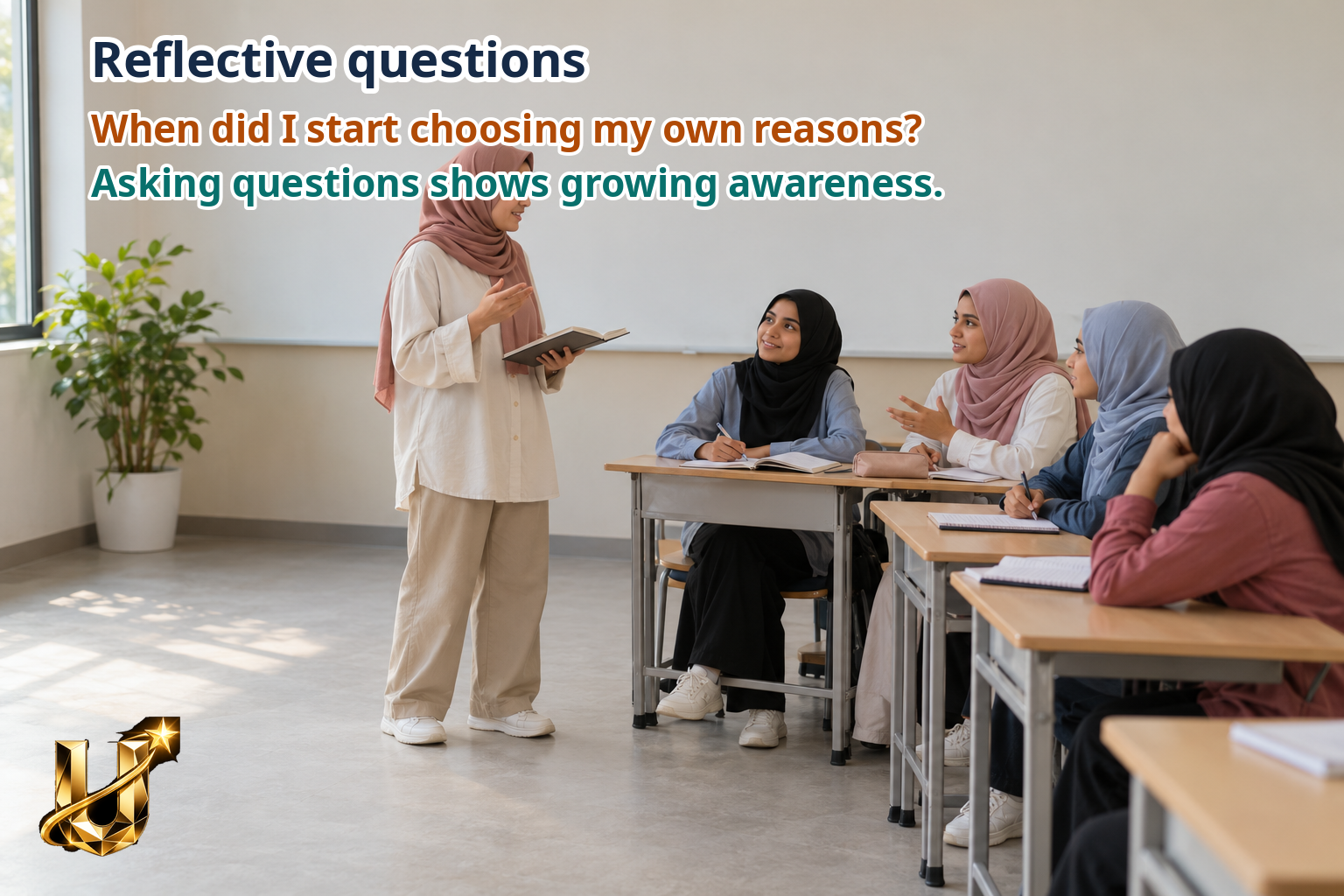
Study Childhood in Hornbill. First use the prescribed-reading explanation and worked application. The later original scene is separate practice, not an extract from the reading. Separate original practice context: In an original reflection, Aarav asks: When did I start choosing my own reasons? I once accepted every confident statement. Later I compared two accounts of the same event and noticed that they disagreed. I asked what evidence each offered. I cannot name a birthday for the change; I can describe a new habit of questioning.
Prescribed reading: people, ideas and development
Markus Natten’s speaker asks when childhood ended: perhaps with questioning inherited beliefs, noticing adults’ failure to practise the love they preach, or discovering an independent mind. The closing question shifts from when childhood went to where it might remain, finding an image of innocence in an infant. The poem explores growing awareness rather than certifying one universal birthday of maturity.
Prescribed reading: style and words in context
Repeated questions organise reflection and keep its conclusions tentative. Hypocrisy means a mismatch between professed principles and conduct. Individuality is the capacity to have a distinct identity and thoughts. The infant image offers a final perspective on innocence, not a literal location where the speaker can recover earlier years.
Worked application to the prescribed reading
How do the repeated alternatives shape the idea of growing up?
- Each possible moment identifies a different new awareness.
- The questions avoid reducing maturity to a single event for everyone.
- The final infant image changes the inquiry from chronology to an imaginative view of innocence.
Childhood: Reflective questions and growing awareness
A reflective question can explore identity rather than demand a factual date. Follow shifts in thought and avoid treating a complex development as one universal milestone.
Example 1: Identify and apply
Identify one phrase signalling the earlier view.
- I once accepted every confident statement.