
A question from life
Enlarge image
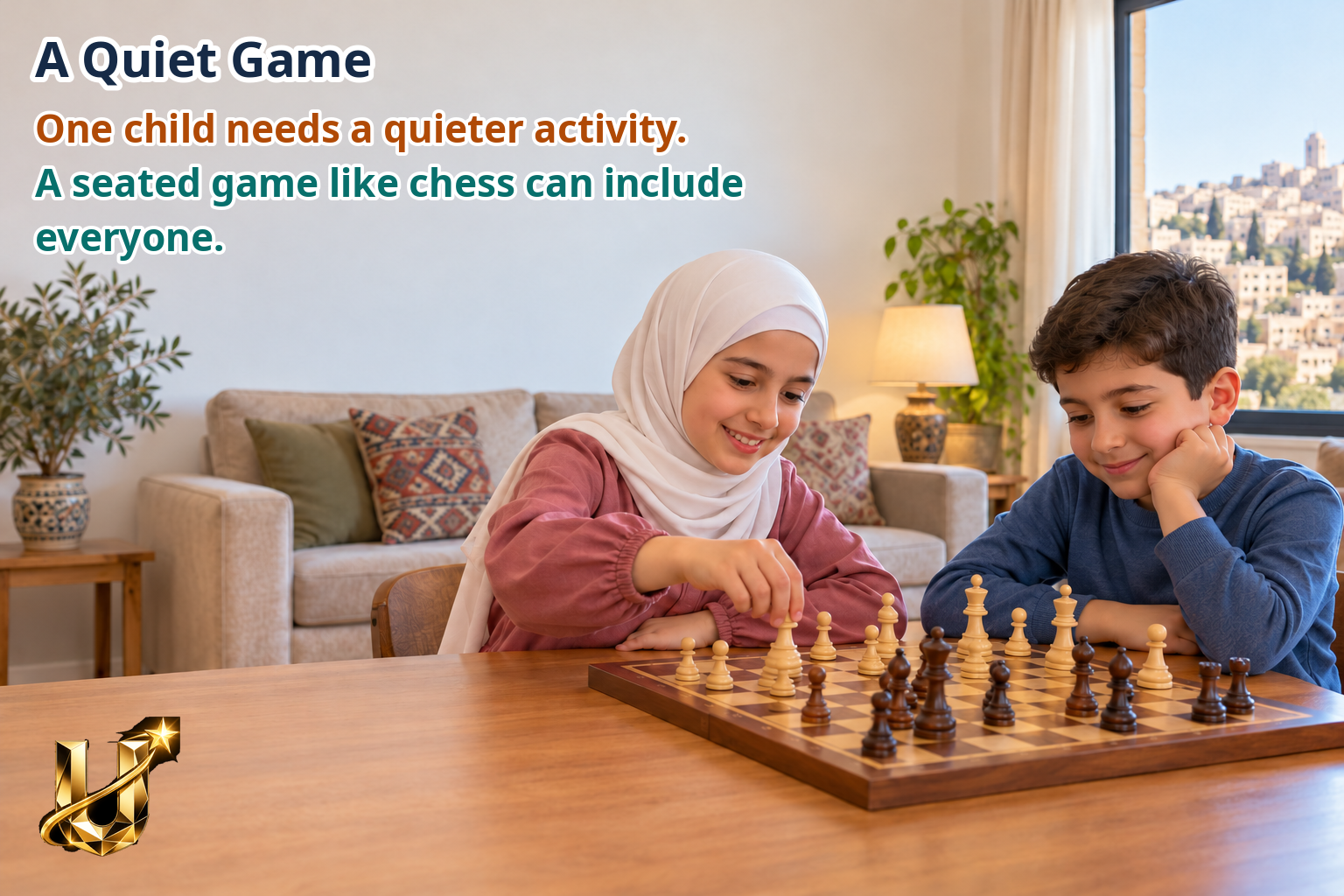
A class in Bhopal plans games and a rest break. One child needs a quieter activity, and another wants to know what to do when an adult does not listen to a safety concern.
Unit 3: Life Around Us
A class in Bhopal plans games and a rest break. One child needs a quieter activity, and another wants to know what to do when an adult does not listen to a safety concern.
How well a person is doing physically,emotionally and socially.
Review lesson not available yet.
A class in Bhopal plans games and a rest break. One child needs a quieter activity, and another wants to know what to do when an adult does not listen to a safety concern.
A routine can include learning, food, safe water, movement and rest. Children may need different adaptations. Fairness can mean giving different support rather than requiring identical activity.
Meera wants to join but cannot run today. What can classmates do?
Fair participation may require:
Ask before hugs or other nonessential touch. A person can choose a wave or words. Adults should explain necessary care and support safety. Children need not judge whether a boundary matters by accepting a gift or keeping someone pleased.
Aarav prefers a wave rather than a hug. Does he need to hug to be polite?
A child can greet a visitor by:
A child can say no if able, move toward safety and tell a trusted adult about an unsafe situation. If one adult dismisses it, tell another. No child is to blame for someone else harming them. Never require personal disclosure in a class exercise.
Priya reports a worrying situation but is not helped. What next?
With a trusted adult, name several possible helpers and practise a sentence using a fictional concern. No disclosure or physical demonstration is required.
Routines should include different needs. Personal boundaries matter, and children can keep asking trusted adults for help.